Major changes are coming to recycling and waste management in England starting in the first quarter of 2025. The UK government is introducing new regulations aimed at making recycling easier, more efficient, and environmentally responsible. If you run a business, manage a public sector organisation, or simply want to stay ahead of the curve, it’s crucial to understand these changes. Let’s explore what’s changing, how it impacts your business, and how you can prepare.
Recycling laws in the UK have been inconsistent, leading to confusion for businesses and households. The Simpler Recycling legislation, set to take effect from March 31, 2025, aims to standardise recycling practices across the board.
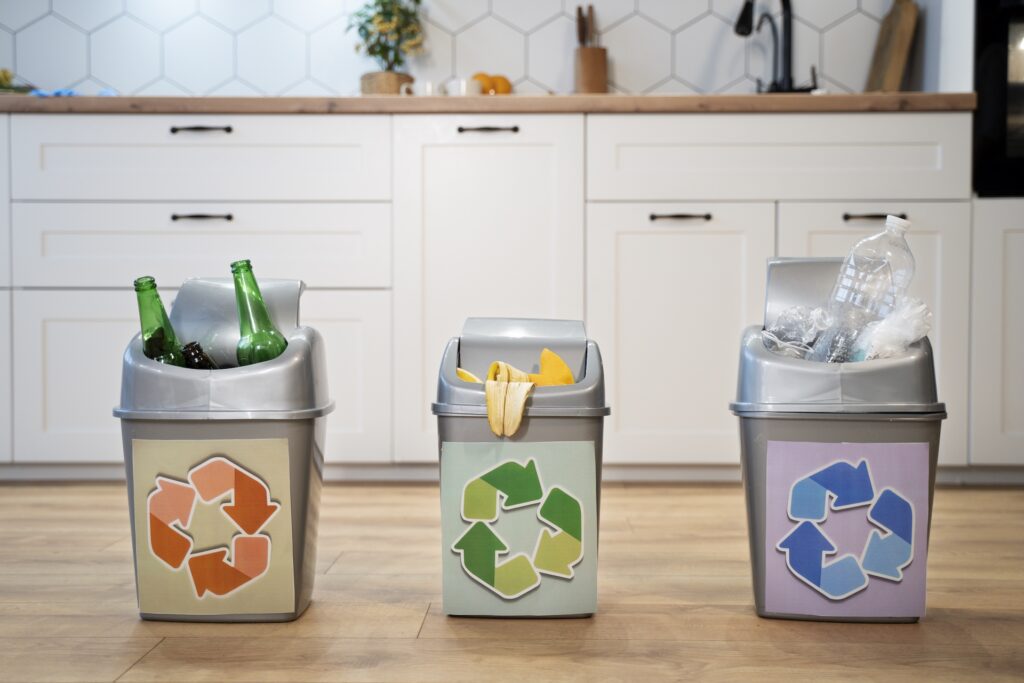
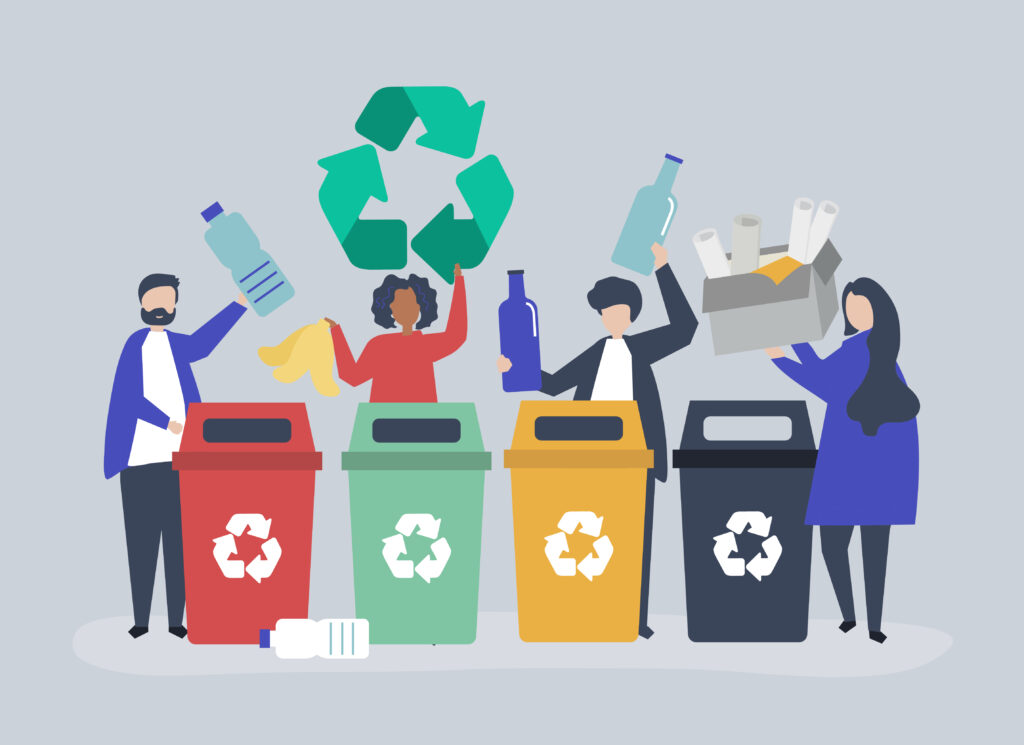
Under these new regulations, businesses with 10 or more employees will be required to separate key recyclable materials, including paper, glass, plastics, and metals into designated bins. Food waste will also need to be collected separately, no matter how small the business. Over the next few years, the rules will expand to include smaller businesses and additional waste materials such as plastic bags and films.
This new approach is not just about reducing waste in landfills. It’s part of a broader effort to cut greenhouse gas emissions, promote the use of recycled materials, and support the circular economy.
The current recycling system in the UK is failing to achieve its potential. Every year, the country throws away an alarming 9.5 million tonnes of food waste, enough to feed millions of people. Meanwhile, much of this food waste ends up rotting in landfills, emitting harmful gases into the atmosphere.
The aim of these changes isn’t just to help the planet, it’s about using resources more efficiently. Scotland and Wales have already implemented similar regulations, and now it’s England’s turn to catch up and make recycling more streamlined, consistent, and environmentally beneficial.
Here’s a breakdown of important dates:
Adapting to these changes is essential for compliance, but it also presents an opportunity to optimise your waste management and reduce costs. Here’s how you can prepare your business:
By acting now, you can ensure a smooth transition and avoid the stress of last-minute adjustments when the regulations go into effect.
Complying with the new recycling regulations offers several long-term benefits. Not only does it help the environment, but it also lowers waste disposal costs, reduces your carbon footprint, and enhances your sustainability credentials. Businesses that prioritise sustainability often enjoy improved relationships with customers and partners who value eco-friendly practices.
Separate food waste collection, in particular, has significant advantages. Instead of being incinerated or sent to landfills, food waste can be converted into renewable energy or organic fertiliser, supporting the circular economy. This process helps reduce the environmental impact of your business and may even lower your general waste disposal costs.
At Western Industrial Products, we offer a wide range of waste management products designed to help businesses meet the new recycling standards with ease. From recycling bins to wheeled bins and segregated storage solutions, our products are built to simplify the process of waste separation, ensuring your business remains compliant while supporting sustainability.
The new recycling legislation is an opportunity for your business to take the lead in sustainability. By planning ahead, you can not only comply with legal requirements but also position your company as a responsible, environmentally conscious business.
The changes may seem daunting at first, but the benefits for the environment, your business, and the community are clear. Start preparing now, and you’ll be ready to make the transition seamlessly when the new rules come into effect.
At Western Industrial Products, we understand the importance of staying ahead of regulations like these. Let us help you make the necessary adjustments, ensuring that your waste management processes are both compliant and efficient. Contact us today to learn more about how our products can support your business’s sustainability efforts.