On 1st April 2025, businesses across England will face a significant change in how they handle waste disposal. The government’s Simpler Recycling legislation, introduced under the Environment Act 2021 Regulations 2024, is designed to create a more consistent and straightforward recycling system nationwide. The goal? To eliminate confusion over what can and cannot be recycled, making it easier for businesses and individuals alike to do their part for the environment.
If you run a business, it’s crucial to understand how this new legislation will affect your waste management practices. Let’s break it down so you know exactly what goes where and how to stay compliant.
Simpler Recycling is a government-led reform aimed at standardising the recycling process across all regions in England. Until now, recycling rules have varied significantly by location, leaving many businesses unsure of how to sort their waste properly. The new legislation introduces a uniform system that applies to both households and businesses, ensuring that recyclable materials are collected in the same way everywhere.
The key objectives of the reform include:

Under the new regulations, all businesses will be required to separate their waste into four distinct categories (at minimum) using clearly marked bins or containers:
💡 Tip: To prevent odours, consider using biodegradable bin liners
Plastic is one of the most commonly recycled materials, there are certain types of plastic that can and cannot be recycled. Always check with your local council or waste management provider for the most accurate and up-to-date information on what plastics are accepted.
The types of plastics that are not easily recycled are the following:
💡 Tip: If your business handles large quantities of waste, consider investing in clearly labelled wheelie bins or larger containers to accommodate the new waste segregation requirements.
If you’re unsure if your waste is aluminium then there is an extremely easy way to tell! The scrunch test, tightly scrunch the waste in the palm of your hand and press it into a ball and then open your hand
✔️ If it stays scrunched and doesn’t change shape, it’s aluminium
❌ If it springs back, it’s made from plastic
This colour of bin isn’t commonly seen alongside your everyday recycling bins, but they’re usually found in recycling centres. Pink bins are for batteries, you can recycle the following:
Certain battery packs from items like laptops, mobile phones, power tools, remote control units, and lead-acid car batteries will have designated drop off points within your recycling centres, garages, or scrap yards.
The types of materials that usually coordinate to a teal coloured bin is mixed glass, mixed or coloured glass typically comes in shades of green, brown, and amber. The following types of waste should be placed into these bins:
What types of glass cannot be recycled?
The new Simpler Recycling system offers several advantages for businesses, including:
Improved Efficiency: With clearer categories, staff will find it easier to sort waste correctly, reducing the risk of contamination.
Cost Savings: Effective recycling could reduce general waste disposal costs, as less waste goes to landfill.
Environmental Impact: A more efficient recycling system means more waste is reused or repurposed, contributing to a greener planet.
Compliance and Avoiding Penalties: Businesses that fail to comply with the new regulations could face fines or enforcement action, making it essential to adopt the correct recycling practices.
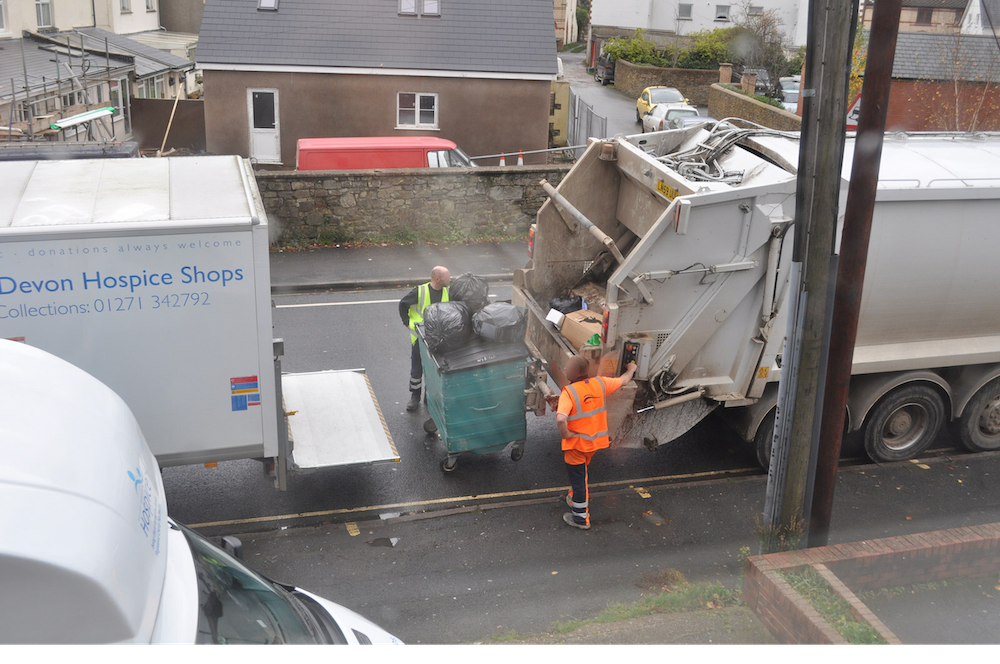
To ensure you’re ready for the changes, follow these steps:
1. Review Your Current Waste Management:
2. Train Your Staff:
3. Partner with Reliable Waste Collectors:
4. Audit and Monitor Compliance:
The Simpler Recycling legislation marks a major step towards a greener and more sustainable future. For businesses, it offers an opportunity to streamline waste management practices, reduce environmental impact, and demonstrate a commitment to sustainability.
By staying informed and prepared, your business can not only remain compliant but also contribute to a cleaner, more efficient recycling system across England.
After following these guidelines, you should now be ready to recycle compliantly against the new Simpler Recycling legislation. Start by reviewing your waste management processes and ensuring your team is fully prepared for the changes. Together, we can make recycling in England simpler and more effective than ever.