Smoking shelters in the UK are designed to strike a balance between accommodating smokers and protecting non-smokers from second-hand smoke. These smoking shelter regulations are rooted in the Smoke-free (Premises and Enforcement) Regulations 2006, which introduced a comprehensive smoking ban in enclosed public spaces and workplaces across England. Understanding the legal framework surrounding smoking shelters is essential for businesses and organisations aiming to provide compliant smoking areas.
A smoking shelter is a designated outdoor area where individuals can smoke without breaching the smoking ban. To comply with UK law, smoking shelters must not be classified as an enclosed or substantially enclosed space. This distinction is crucial and is defined by specific construction requirements outlined in legislation. An enclosed space is any structure with a roof that is completely enclosed by walls, windows, or other barriers, whether permanently or temporarily.
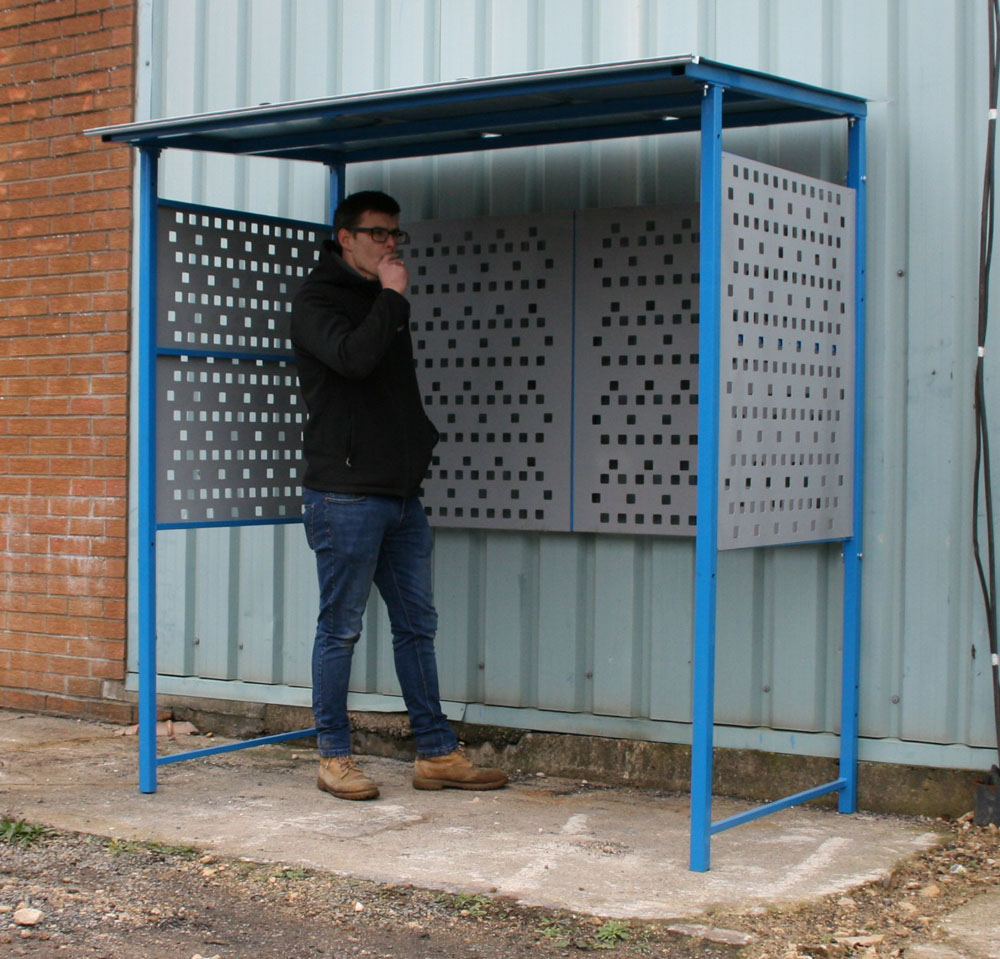
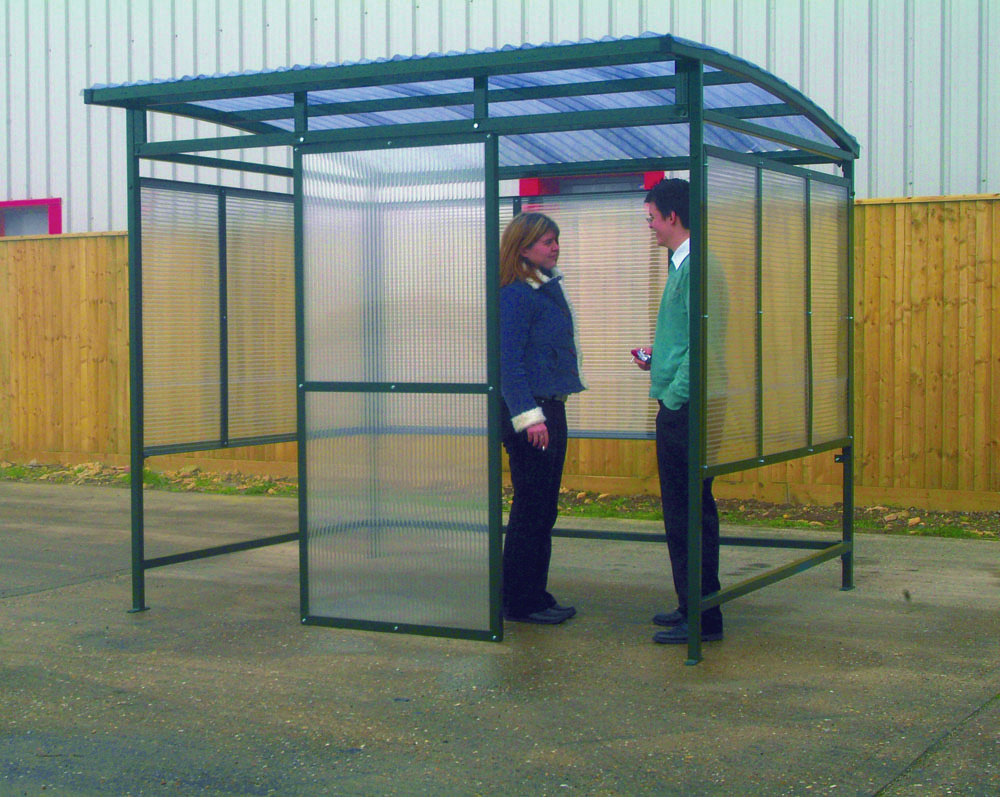
A substantially enclosed space is one where the walls or barriers enclose more than 50% of the shelter’s perimeter. This calculation includes fixed structures such as walls but excludes doors, windows, and other openings that are designed to allow airflow. Therefore, a compliant smoking shelter typically has open sides or large gaps to ensure proper ventilation and to meet legal requirements.
Employers and organisations providing smoking shelters must ensure that these structures are fully compliant with the law. Non-compliance can result in significant fines or other penalties. It is essential to conduct a thorough assessment of the shelter’s design, location, and materials to ensure it aligns with legal requirements.
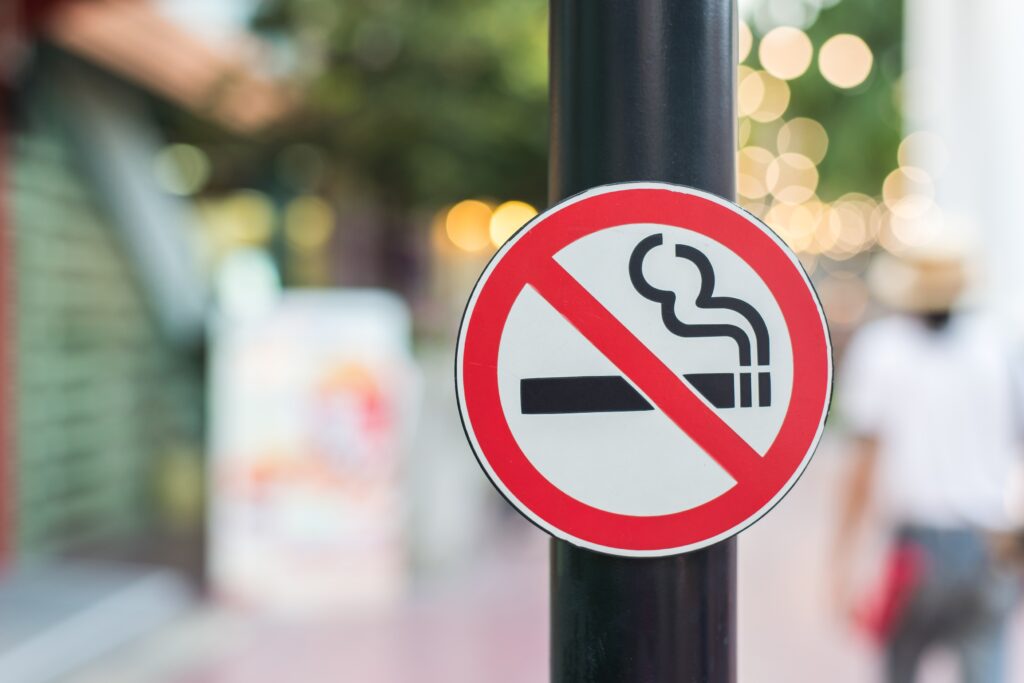
The placement of smoking shelters should also be carefully considered. They must be located away from building entrances, windows, and ventilation systems to prevent smoke from drifting into non-smoking areas. Additionally, businesses should clearly display signage indicating that the area is a designated smoking shelter to avoid confusion.
The smoking shelter must be designed to accommodate smokers comfortably while maintaining compliance with health and safety regulations. For example, seating should be non-flammable, and the structure must be robust enough to withstand weather conditions.
In addition to national legislation, smoking shelters must also comply with any local authority guidelines. Many councils have their own rules governing the installation and use of smoking shelters, including restrictions on their size, appearance, and distance from neighbouring properties. It is advisable to consult with the local council’s planning department to ensure the shelter meets all applicable requirements.
Local authorities may also have policies concerning the visual impact of smoking shelters. For instance, shelters in historic or conservation areas may need to blend with the surrounding environment. Businesses should obtain planning permission if required and ensure that the shelter adheres to any additional local regulations.
For workplaces, providing a smoking shelter can demonstrate a commitment to employee wellbeing while maintaining a clear distinction between smoking and non-smoking areas. However, businesses are not legally obliged to provide smoking facilities, including shelters. Employers who choose to offer this amenity should ensure that non-smokers are not adversely affected by its presence.
It is important to note that under no circumstances should smoking be allowed indoors, even in staff-only areas.
The smoking ban applies to all enclosed and substantially enclosed public spaces, regardless of who uses them. Any breaches of this rule can result in penalties for both the employer and the individual smoker.
While compliance with legal requirements is paramount, businesses should also consider the broader implications of installing a smoking shelter. The structure’s design should minimise its environmental impact and ensure it does not become an eyesore. Businesses might explore sustainable materials and designs that align with corporate social responsibility goals.
Furthermore, smoking shelters can influence workplace culture and dynamics. Employers should ensure that these spaces do not inadvertently marginalise non-smokers or disrupt the workplace environment. Promoting equality and inclusivity remains essential, regardless of the presence of a smoking shelter.
Legislation and guidelines surrounding smoking shelters may evolve over time. Businesses should regularly review their smoking policies and ensure that their shelters remain compliant with any updates to national or local regulations. Keeping an open dialogue with local authorities and consulting legal experts can help avoid costly mistakes.
Smoking shelters provide a practical solution for accommodating smokers while adhering to the UK’s stringent smoking ban. By understanding the legal requirements and ensuring compliance with national and local guidelines, businesses can create a safe, lawful, and respectful environment for all individuals. Proper planning, thoughtful design, and ongoing maintenance are key to achieving this balance and ensuring that the smoking shelter serves its intended purpose without compromising public health or safety.